Understanding Tire Pressure: Why 2-3 Psi Makes A Huge Difference
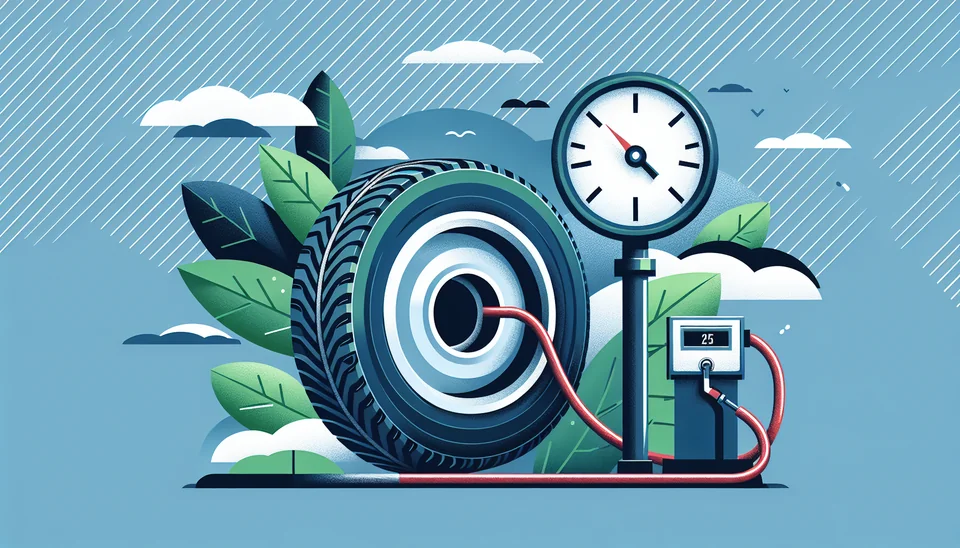
The Critical Importance of Precise Tire Pressure
You're cruising down the highway when your tire suddenly blows out, sending your car careening toward the shoulder. What if I told you this terrifying scenario could've been prevented by something as simple as adding 2-3 PSI to your tires last week?
Most drivers treat tire pressure like a rough guideline rather than the precise engineering specification it actually is. You might think, "Close enough is good enough" when your gauge reads 30 PSI instead of the recommended 33. But here's the reality that'll change how you think about those numbers forever: a mere 2-3 PSI difference can dramatically impact your safety, fuel economy, and how long your tires last.
The misconceptions run deep. Many drivers believe tire pressure has a wide tolerance range – that being within 5-10 PSI of the recommendation is perfectly fine. Others assume their tires will naturally maintain proper pressure for months without attention. These beliefs aren't just wrong; they're costly and potentially dangerous.
Consider this: underinflated tires by just 3 PSI can reduce fuel efficiency by up to 3% and cut tire life by 25%. That's real money leaving your wallet every time you fill up and replace tires prematurely. On the flip side, overinflation by the same margin creates uneven wear patterns and increases your risk of a blowout.
Throughout this comprehensive guide, you'll discover why tire pressure precision matters more than you ever imagined. We'll explore the science behind optimal pressure maintenance, reveal the hidden costs of "close enough" thinking, and equip you with practical strategies for monitoring and maintaining perfect tire pressure year-round.
You're about to learn that those seemingly insignificant PSI numbers on your tire sidewall aren't suggestions – they're your roadmap to safer, more efficient driving in 2025 and beyond.
The Science Behind Tire Pressure: Why Every PSI Counts
Think of your tire as a sophisticated engineering marvel that's constantly performing a delicate balancing act. When you understand the physics happening where rubber meets road, you'll realize why that seemingly small 2-3 PSI difference can dramatically impact your driving experience.
The Contact Patch Connection
Your tire's contact patch – that small area where rubber touches pavement – changes dramatically with pressure variations. At proper inflation, this patch maintains an optimal oval shape that distributes weight evenly. Drop just 2-3 PSI, and the contact patch becomes larger and less uniform, creating uneven wear patterns and reduced performance.
Here's where it gets interesting: an underinflated tire generates significantly more heat through increased flexing. As the sidewall bends more with each rotation, friction builds up internally. This extra heat doesn't just waste energy – it actually breaks down the tire's molecular structure over time, leading to premature failure.
Structural Integrity Under Pressure
Air pressure literally holds your tire's shape. The compressed air inside creates the structural foundation that supports your vehicle's weight. When pressure drops even slightly, the tire's casing works harder to maintain its form. This increased stress on the tire's internal components – the steel belts, fabric plies, and rubber compounds – accelerates wear and reduces the tire's lifespan.
Rolling Resistance Reality
Physics tells us that underinflated tires create more rolling resistance because they deform more as they roll. This deformation requires energy to constantly reshape the tire, which your engine must provide. Studies show that a 3 PSI drop can increase rolling resistance by up to 6%, directly impacting your fuel economy.
Temperature's Hidden Impact
Here's something many drivers don't realize: tire pressure changes about 1-2 PSI for every 10°F temperature shift. That's why checking your tire pressure when tires are "cold" – before driving or at least three hours after driving – gives you accurate readings.
Morning temperatures can be 20-30°F cooler than afternoon highs, meaning your "properly inflated" tires from yesterday afternoon might be 4-6 PSI low this morning. This natural fluctuation explains why regular monitoring matters more than most people think.
The science is clear: your tires are precision instruments, not just rubber donuts. Every PSI matters because it affects the fundamental physics of how your vehicle interacts with the road, from heat generation to structural integrity to energy efficiency.
Safety Implications: How 2-3 PSI Affects Vehicle Control
When you're cruising down the highway at 65 mph and suddenly need to brake, those 2-3 PSI could literally be the difference between stopping safely and rear-ending the car ahead. It sounds dramatic, but the safety implications of seemingly minor pressure variations are more serious than most drivers realize.
Braking Distance: Where Physics Meets Reality
Under-inflated tires increase your braking distance significantly. Research from the National Highway Traffic Safety Administration shows that tires running just 6 PSI below recommended pressure can increase stopping distance by up to 12%. Even a modest 2-3 PSI drop affects the tire's contact patch – the area where rubber meets road – reducing grip and extending the distance needed to come to a complete stop.
Here's what happens: when your tire pressure drops, the sidewalls flex more during braking, creating heat buildup and reducing the tire's ability to transfer braking force effectively to the pavement. On wet roads, this effect becomes even more pronounced.
Handling and Steering Response: Your Connection to the Road
You've probably felt it without realizing what was happening – that slightly "mushy" feeling in your steering when tire pressure drops. Under-inflated tires create delayed steering response, making your vehicle feel less precise during lane changes or emergency maneuvers. Over-inflated tires create the opposite problem: reduced contact patch leads to twitchy, unpredictable handling.
The sweet spot of proper pressure ensures optimal tire deformation during cornering, maximizing grip when you need it most.
Emergency Maneuvers and Pressure
During sudden swerving or evasive actions, properly inflated tires maintain their shape and contact with the road surface. Under-inflated tires can actually fold over on themselves during aggressive cornering, leading to complete loss of control. This phenomenon, called "tire rollover," becomes more likely as pressure drops below manufacturer specifications.
Weather Conditions and Safety Margins
Rain, snow, and extreme temperatures amplify pressure-related safety risks. Cold weather naturally reduces tire pressure by about 1 PSI for every 10-degree temperature drop. If your tires were already 2-3 PSI low, winter conditions could push them into the danger zone.
The Blowout Factor
According to tire industry data, under-inflation causes 90% of tire failures. When tires run consistently low, excessive sidewall flexing generates heat that breaks down the tire's internal structure. A tire running 20% under-inflated operates 30% hotter than properly inflated tires.
The NHTSA estimates that tire-related crashes cause approximately 11,000 accidents annually, with improper inflation being a contributing factor in roughly 660 fatalities per year. These aren't just statistics – they represent real families affected by something as simple as checking tire pressure monthly.
Your safety margins shrink dramatically with each PSI you lose, making regular pressure checks not just maintenance, but a critical safety practice.
Economic Impact: Fuel Efficiency and Tire Longevity
Your wallet feels the impact of tire pressure changes long before you notice handling differences. When tires drop just 2-3 PSI below optimal levels, your vehicle's fuel economy takes an immediate hit that adds up to hundreds of dollars annually.
The Fuel Economy Connection
Under-inflated tires create more rolling resistance, forcing your engine to work harder with every mile. The U.S. Department of Energy found that tires inflated 10 PSI below recommended levels reduce fuel efficiency by up to 3.3%. Even a modest 2-3 PSI drop costs you approximately 1% in fuel economy – that's roughly $30-50 extra per year for the average driver spending $3,000 annually on gas.
Consider this: if you're getting 25 MPG with properly inflated tires, a 3 PSI drop reduces that to about 24.7 MPG. Over 15,000 miles annually, you'll burn an extra 18 gallons of fuel. At today's gas prices, that's money literally rolling away beneath your wheels.
Tire Wear Patterns Tell the Story
Improper tire pressure creates distinct wear patterns that dramatically shorten tire life. Under-inflated tires wear excessively on the outer edges, while over-inflated tires develop center wear. These uneven patterns can reduce tire lifespan by 25-50%.
A quality tire set costing $800 should last 60,000-80,000 miles with proper pressure maintenance. Drop that pressure by just 5 PSI consistently, and you're looking at replacement every 40,000-50,000 miles instead. That's essentially buying an extra set of tires every 100,000 miles – a $800 penalty for neglecting pressure checks.
Industry Data Reveals Massive Savings
The Rubber Manufacturers Association conducted extensive studies showing that proper tire pressure maintenance saves the average driver $432 annually through improved fuel economy and extended tire life. Fleet operators report even more dramatic results – companies maintaining precise tire pressure across their vehicles see 15-20% reductions in tire replacement costs.
Your Long-Term Financial Picture
Over a vehicle's 150,000-mile lifetime, maintaining optimal tire pressure saves approximately $2,000-3,000 compared to running consistently under-inflated tires. This includes:
• $1,200-1,800 in fuel savings • $800-1,200 in reduced tire replacement costs • Decreased maintenance from reduced strain on suspension components
The math is compelling: spending five minutes monthly checking tire pressure pays dividends that compound over years. When you consider that a quality tire pressure gauge costs under $20 and pressure checks at gas stations are typically free, there's no financial excuse for neglecting this simple maintenance task.
Smart drivers treat tire pressure monitoring as an investment, not a chore.
How to Check and Maintain Optimal Tire Pressure
Getting accurate tire pressure readings isn't as straightforward as you might think. The difference between a proper measurement and a sloppy one can easily be those critical 2-3 PSI that dramatically affect your vehicle's performance.
When to Check Your Tire Pressure
Always check tire pressure when your tires are "cold" – meaning the vehicle hasn't been driven for at least three hours. Driving heats up your tires, increasing pressure by 2-4 PSI, which throws off your readings completely. The best time? Early morning before you start your day.
Check your tire pressure at least once a month, but weekly checks are even better. Temperature changes of just 10°F can alter tire pressure by 1-2 PSI, so seasonal transitions require extra attention. Don't wait for that dashboard warning light – it typically only triggers when pressure drops 25% below recommended levels.
Essential Tools for Accurate Monitoring
You'll need a reliable tire pressure gauge, and here's where quality matters. Cheap gauges from gas stations are notoriously inaccurate, often varying by 3-5 PSI. Invest in a quality gauge – your safety depends on it.
Digital vs. Analog Gauges
Digital gauges offer superior accuracy and easier reading, especially in low-light conditions. They typically provide readings within 0.5 PSI of actual pressure. However, they require batteries and can malfunction in extreme temperatures.
Analog gauges are more durable and don't need power, but they're harder to read precisely. The needle can bounce, making it challenging to get exact measurements. If you choose analog, opt for a high-quality dial gauge over the cheaper stick-type gauges.
Temperature Compensation Techniques
Professional mechanics use temperature compensation to account for ambient conditions. For every 10°F temperature change, tire pressure changes by approximately 1 PSI. If you're checking pressure when it's 20°F colder than when the manufacturer's recommendation was set, add 2 PSI to your target pressure.
Common Measurement Mistakes to Avoid
Don't press the gauge too hard or at an angle – this can cause air to escape and give false readings. Make sure the valve stem is clean and the gauge creates a proper seal. Never check pressure immediately after driving or when tires are hot from sitting in direct sunlight.
Avoid using gas station air pumps for measurement – their built-in gauges are often wildly inaccurate. Use your own gauge, then add air as needed.
Pro Tips for Consistent Results
Take three readings and average them out. Remove the valve cap completely and store it safely – those little caps love to disappear. Keep a small notebook in your glove compartment to track pressure readings over time, helping you identify slow leaks before they become dangerous.
Remember, maintaining optimal tire pressure isn't just about hitting the exact number – it's about consistency and accuracy in your measurement process.
Popular Myths and Misconceptions About Tire Pressure
Let's bust some tire pressure myths that could be costing you money and safety. You've probably heard these before, and honestly, they're more dangerous than helpful.
Myth #1: "Close Enough" is Good Enough
This is the biggest misconception out there. Many drivers think being within 5 PSI of the recommended pressure is fine. Wrong. Your vehicle's engineers didn't pick that specific PSI number out of a hat – they tested extensively to find the sweet spot for your car's weight, suspension, and handling characteristics.
Being "close" with tire pressure is like being "close" with a recipe. You wouldn't add twice the salt and expect the same result, right? That 2-3 PSI difference we've been talking about? It's the difference between optimal performance and compromised safety.
Myth #2: Tire Pressure Monitoring Systems Are Perfect
Don't get fooled by marketing claims about TPMS accuracy. Most systems only alert you when pressure drops 25% below recommended levels. That means if you need 32 PSI, your warning light won't trigger until you hit 24 PSI – way too late for optimal performance.
Think of TPMS as your car's emergency alarm, not your precision gauge. You still need to check manually with a quality gauge monthly.
Myth #3: Seasonal Adjustments Are Optional
Here's a fact that surprises many drivers: tire pressure drops about 1 PSI for every 10-degree temperature decrease. So when winter hits and temperatures drop 30 degrees, you're looking at 3 PSI less pressure – exactly the range that significantly impacts performance.
You can't just "set it and forget it" with tire pressure. Seasonal adjustments aren't suggestions; they're requirements for maintaining proper vehicle performance.
Myth #4: All Tires Need the Same Pressure
This misconception leads people to inflate all tires to the same pressure, ignoring manufacturer recommendations. Different vehicles have different weight distributions, and your front tires often need different pressure than your rear tires.
Always check your door jamb sticker or owner's manual – not the tire sidewall maximum pressure. That sidewall number isn't your target; it's the tire's absolute limit.
Technology Solutions: Modern Pressure Monitoring Systems
Your car's TPMS (Tire Pressure Monitoring System) is like having a watchful guardian for your tires, but it's not perfect. Most factory-installed systems only alert you when pressure drops 25% below the recommended level – that's roughly 6-8 PSI for most vehicles. By then, you're already experiencing reduced fuel economy and compromised handling.
Understanding TPMS Limitations
Direct TPMS sensors, mounted inside each wheel, provide more accurate readings than indirect systems that rely on wheel speed differences. However, even direct systems typically have a ±2 PSI accuracy range. This means your "32 PSI" reading could actually be anywhere from 30-34 PSI – a significant variance when 2-3 PSI makes such a difference in performance.
Temperature changes also affect sensor accuracy. Cold mornings can trigger false warnings, while hot summer drives might mask actual pressure loss. Most TPMS systems recalibrate automatically, but this process can take several miles of driving.
Aftermarket Solutions That Actually Work
Smart tire pressure monitoring systems like TireMinder and TST offer real-time monitoring with smartphone apps. These aftermarket solutions typically provide accuracy within ±1 PSI and send instant alerts for pressure changes as small as 2-3 PSI.
External sensor caps are the most affordable option, though they're vulnerable to theft. Internal sensors require professional installation but offer better security and accuracy. Many truckers and RV enthusiasts swear by these systems because they catch small pressure changes before they become expensive problems.
The Future is Getting Smarter
Continental and Michelin are developing smart tires with embedded sensors that monitor pressure, temperature, and even tread wear in real-time. These connected tires communicate directly with your vehicle's computer system, providing predictive maintenance alerts.
Bridgestone's smart tire technology goes further, analyzing road conditions and adjusting recommended pressures automatically. Imagine tires that know when you're carrying extra cargo and suggest optimal pressure adjustments accordingly.
Privacy Concerns Worth Considering
Connected tire systems collect data about your driving habits, locations, and vehicle performance. While manufacturers claim this data improves safety features, it's worth understanding what information you're sharing. Most systems allow you to opt out of data collection while maintaining core monitoring functions.
Some insurance companies are exploring usage-based policies that factor in tire maintenance data. Properly maintained tire pressure could potentially lower your premiums, but it also means your insurer knows your driving patterns.
The key is finding the right balance between convenience, accuracy, and privacy that works for your specific needs and budget.
Industry Standards and Manufacturer Recommendations
When you open your driver's door, you'll find a small placard with specific tire pressure numbers – but these aren't random suggestions. Vehicle manufacturers spend millions of dollars and countless hours determining these exact specifications through rigorous testing and engineering analysis.
Understanding Manufacturer Specifications
Your vehicle's recommended tire pressure represents the sweet spot between safety, performance, and efficiency. Manufacturers test thousands of scenarios, from fully loaded vehicles to emergency maneuvers, to determine the pressure that delivers optimal contact patch distribution. This number considers your car's weight distribution, suspension geometry, and intended use patterns.
For example, a 2025 Honda Accord might specify 32 PSI for normal driving, but increase to 35 PSI when carrying maximum cargo. These variations aren't arbitrary – they're calculated to maintain proper tire footprint under different load conditions.
Tire Manufacturer Standards
Tire companies work closely with vehicle manufacturers during development, but they also establish their own pressure ranges. The maximum pressure molded into your tire sidewall represents the absolute upper limit for that specific tire construction, not your vehicle's optimal operating pressure.
Most tire manufacturers provide pressure recommendations based on load ratings and speed indices. A performance tire might operate best at higher pressures for responsive handling, while an all-terrain tire might favor slightly lower pressures for improved traction.
Regulatory Framework
The National Highway Traffic Safety Administration (NHTSA) mandates that all vehicles manufactured after 2007 include Tire Pressure Monitoring Systems (TPMS). These systems typically alert drivers when pressure drops 25% below recommended levels – reinforcing how critical proper inflation remains for safety compliance.
Warranty Considerations
Here's something many drivers overlook: maintaining proper tire pressure directly impacts your warranty coverage. Both vehicle and tire manufacturers can void warranties if they determine that improper pressure maintenance contributed to premature wear or failure.
Insurance companies increasingly scrutinize tire maintenance records after accidents. Documented evidence of proper pressure maintenance can protect you legally and financially.
Following manufacturer recommendations isn't just about optimal performance – it's about maintaining the safety standards and legal protections built into your vehicle's design. Those specific PSI numbers represent decades of engineering expertise working to keep you safe on the road.
Making Precision Pressure a Priority
After diving deep into the science and real-world impacts, one thing becomes crystal clear: those seemingly insignificant 2-3 PSI variations aren't minor details—they're game-changers that affect everything from your safety to your wallet.
We've seen how just 2 PSI below optimal pressure can reduce your tire's lifespan by 25% and increase fuel consumption by 3-4%. That's not pocket change when you're looking at replacing tires months earlier than necessary or watching extra dollars disappear at the gas pump. More importantly, we've explored how these small pressure differences can compromise your vehicle's handling during emergency maneuvers, potentially turning a close call into something much worse.
Here's your action plan for precision pressure management:
Start checking your tire pressure monthly using a quality digital gauge—not the unreliable stick gauges at gas stations. Always measure when tires are cold, preferably before driving or at least three hours after your last trip. Keep a pressure log in your glove compartment and note seasonal adjustments, since temperatures can swing pressure by 1-2 PSI per 10-degree change.
Don't forget your spare tire—it loses pressure faster than mounted tires and could leave you stranded when you need it most.
The long-term benefits of maintaining precision pressure extend far beyond immediate safety. You'll enjoy consistent handling characteristics, maximize your tire investment, and reduce your environmental footprint through better fuel efficiency. Your suspension components will thank you too, lasting longer without the stress of compensating for improperly inflated tires.
Think of tire pressure like your health—small, consistent efforts prevent major problems down the road. Those few minutes spent checking pressure monthly will save you hundreds in premature replacements and potentially prevent accidents. In 2025, with advanced pressure monitoring systems becoming standard, there's simply no excuse for ignoring this critical maintenance task.
Make precision pressure your priority. Your tires, your safety, and your budget will all benefit.
Search by State
- Alabama
- Alaska
- Arizona
- Arkansas
- California
- Colorado
- Connecticut
- Delaware
- District of Columbia
- Florida
- Georgia
- Hawaii
- Idaho
- Illinois
- Indiana
- Iowa
- Kansas
- Kentucky
- Louisiana
- Maine
- Maryland
- Massachusetts
- Michigan
- Minnesota
- Mississippi
- Missouri
- Montana
- Nebraska
- Nevada
- New Hampshire
- New Jersey
- New Mexico
- New York
- North Carolina
- North Dakota
- Ohio
- Oklahoma
- Oregon
- Pennsylvania
- Rhode Island
- South Carolina
- South Dakota
- Tennessee
- Texas
- Utah
- Vermont
- Virginia
- Washington
- West Virginia
- Wisconsin
- Wyoming